
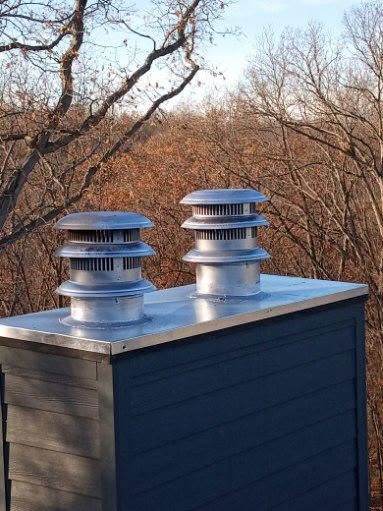
Start with records: identify the fireplace, fuel, manufacturer, model, prior work, and last chimney inspection. From safe locations, look for ceiling stains, loose material, rust, odors, damaged glass, displaced panels, masonry changes, or a missing cap.
For wood systems, arrange chimney sweeping and cleaning when deposits warrant it, prepare properly seasoned fuel, and review safe operation. For gas systems, follow the manual for batteries, glass, log placement, and user maintenance; schedule gas fireplace repair for ignition faults, abnormal soot, shutdowns, or damaged components.
Check the exterior water-management system: crown, cap, masonry, flashing, and chase cover. Test smoke and carbon-monoxide alarms according to manufacturer directions. Keep combustible decorations and furniture outside specified clearances.
If the home changed owners, the appliance changed, or damage is suspected, ask whether a Level 2 camera chimney inspection is appropriate. Never treat a checklist as clearance for a system showing warning signs.