Chimney Removal
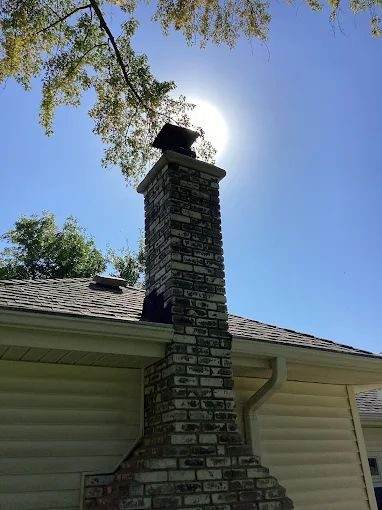
An unused or badly deteriorated chimney is sometimes better removed than repaired — but it's a bigger decision than it looks, because a chimney can be tied into the roof, the structure, and other venting.
An unused or badly deteriorated chimney is sometimes better removed than repaired — but it's a bigger decision than it looks, because a chimney can be tied into the roof, the structure, and other venting. If you're weighing removal, start with an assessment so the choice is made on facts.
Signs you may need chimney removal
- You have a chimney you no longer use and don't want to maintain
- The stack is badly deteriorated and you're weighing removal versus rebuild
- You're remodeling and the chimney is in the way
- You want to understand what removal would involve
What we check first
Good work starts with looking. Before we recommend anything, here is what we examine:
- Whether the chimney serves any active appliance or venting
- How the chimney ties into the roof and structure
- What roof and interior work removal would require
- Whether partial removal (above the roofline) is a better option
- Whether repair or rebuild is actually the smarter path
How the work goes
Step
We assess the chimney's role and condition on site
Step
We explain removal options, including partial removal
Step
We identify roofing, structural, or venting work involved
Step
We coordinate or refer other trades where the work requires it
Step
We give you an honest comparison of removal versus repair
What can change the scope
Removal is highly situation-specific and may involve other trades, permits, and roof work. Because it can intersect with structural and code matters, we treat it as an assessment-first service rather than something to quote sight-unseen.
Missouri considerations
In Missouri, a neglected chimney can keep causing leaks and damage even when it's not in use. Sometimes removal ends that; sometimes a rebuild preserves the home's value. The right call depends on your house and plans.
Repair or replace?
If the chimney serves no purpose and keeps causing problems, removal can make sense. If it's structurally involved or you may want a fireplace later, rebuilding or sealing it off may be smarter. We'll help you weigh it.
Why water is the problem behind most chimney repairs
Almost every masonry chimney repair traces back to the same culprit: water. A chimney sheds rain through a layered system — the crown throws water off the top, the cap covers the flue opening, the flashing seals the roof joint, and sound mortar joints keep the brick from soaking it up. When any one of those fails, water gets in, and Missouri's freeze-thaw winters do the rest, expanding inside cracks and joints until a hairline gap becomes spalled brick or a leak on your ceiling.
That's why the honest first step is finding where the water actually enters, not sealing the nearest stain. A leak that only shows in wind-driven rain points to flashing; one that appears after any rain often points to the crown or brick. Repairs that last address the entry point and match materials to the existing masonry — mortar matched in strength and color, brick matched in size and profile. Once the water path is closed, breathable waterproofing on sound masonry buys years of protection, but it is never a substitute for a real repair.
Availability varies: this service depends on the specific situation and location. Please call — St. Louis (314) 998-7032 or Kansas City (816) 290-7941 — so we can confirm what we can do for your chimney.
Frequently Asked Questions
Related reading from our blog
- How Often Should a Chimney Be Inspected in Missouri?
Learn when St. Louis and Kansas City homeowners need chimney inspections, what different inspection levels cover, and which warning signs should not wait. - A St. Louis Chimney Maintenance Calendar
Plan chimney care through St. Louis seasons, from spring leak observations and summer repairs to fall preparation and winter operating checks. - Kansas City Freeze-Thaw Chimney Damage Explained
Understand freeze-thaw damage on Kansas City chimneys, the difference between surface wear and movement, and how to compare practical repair options.
Request chimney removal
Tell us what's going on and we'll follow up to confirm details and set a time.
Ready to get on the schedule?
Tell us what's going on and we'll help you sort it out. Two Missouri hubs, 24/7 phone availability.