Animal, Bird Nest & Debris Removal
An open flue is an inviting spot for birds, squirrels, and raccoons — and the nests and debris they leave block the draft and can be a fire risk.
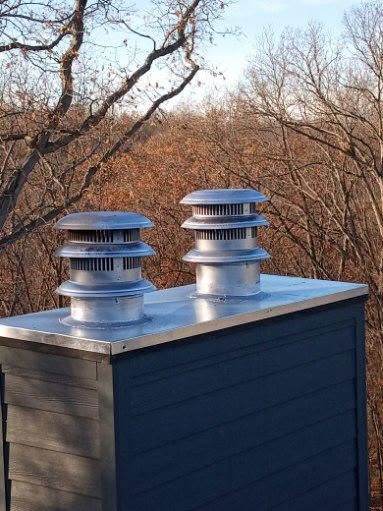
An open flue is an inviting spot for birds, squirrels, and raccoons — and the nests and debris they leave block the draft and can be a fire risk. We clear the blockage, check what got damaged, and cap the chimney so it doesn't happen again.
Signs you may need animal, bird nest & debris removal
- You hear scratching, chirping, or scrambling in the chimney
- There's a smell, or flies, coming from the fireplace
- Nesting material or debris has fallen into the firebox
- The fire won't draft and you suspect something's blocking it
- You have no cap, or the cap and screen are damaged
What we check first
Good work starts with looking. Before we recommend anything, here is what we examine:
- Whether animals are still present before any work begins
- The type and amount of nesting material and debris
- Damage to the cap, screen, or flue from the intrusion
- Whether droppings or debris have created a secondary hazard
- The termination, to plan a cap that keeps wildlife out
How the work goes
Step
We confirm nothing is living in the flue before clearing it
Step
We remove nests, debris, and blockage from the flue and smoke shelf
Step
We check for damage the animals or debris caused
Step
We clean up the firebox and affected areas
Step
We recommend and fit a proper cap with a screen to prevent re-entry
What can change the scope
The main variables are what's up there and whether it's still alive. We won't seal a flue with animals inside. If there's a live nest with young, timing and humane handling matter, and we'll be straight with you about that.
Missouri considerations
Missouri's mild springs bring nesting season, and chimney swifts, starlings, and squirrels all look for an open flue. A quality cap with a screen is the single best prevention, and it also keeps out the rain that drives so much other chimney damage.
Keeping it in good shape
A well-fitted cap with a sound screen is what keeps wildlife out for good. Have it checked yearly — a rusted or dislodged screen is an open invitation again.
What a thorough inspection actually tells you
It helps to know the difference between cleaning and inspection before you book. Cleaning removes creosote, soot, and debris; an inspection evaluates the condition of the components — crown, cap, flue lining, flashing, firebox, damper, and smoke chamber — within a defined scope. You can have a spotless flue that still has a cracked tile or a failing crown, which is why a clean chimney is not the same thing as an inspected, sound one.
Inspection levels describe scope and access, not a grade. A Level 1 fits a familiar system in continued use; a Level 2 adds a camera pass through the flue and is the right call after a home purchase, a fuel or appliance change, a chimney fire, or when a hidden condition is suspected. A good visit ends with more than "we cleaned it" — you should get a plain-language read on what's fine, what to watch, and what genuinely needs work, with photos of anything that matters and an honest note about any surface that couldn't be seen.
Frequently Asked Questions
Related reading from our blog
- Signs an Animal May Be in Your Chimney
Learn the signs of birds or animals in a chimney and why humane removal, inspection, and prevention should be coordinated. - How Often Should a Chimney Be Inspected in Missouri?
Learn when St. Louis and Kansas City homeowners need chimney inspections, what different inspection levels cover, and which warning signs should not wait. - A St. Louis Chimney Maintenance Calendar
Plan chimney care through St. Louis seasons, from spring leak observations and summer repairs to fall preparation and winter operating checks.
Request animal, bird nest & debris removal
Tell us what's going on and we'll follow up to confirm details and set a time.
Ready to get on the schedule?
Tell us what's going on and we'll help you sort it out. Two Missouri hubs, 24/7 phone availability.