A chimney does not need to look dirty to deserve attention. Rain can enter around a damaged top, a bird can obstruct an unused flue, and an appliance replacement can change the demands placed on an existing vent. None of those conditions is measured by how many evenings the family sat beside a fire. For homeowners in St. Louis and Kansas City, the useful question is therefore not simply, “How often do we burn wood?” It is, “When was the whole system last evaluated, and what has changed since then?”
The general baseline is an annual chimney inspection, with cleaning and repairs performed when the findings warrant them. CSIA's homeowner guidance explains this distinction when discussing NFPA 211: inspection is periodic; sweeping is based on conditions. Annual inspection does not mean every chimney automatically needs the same cleaning package. CSIA homeowner resources.
On this page
- Start with a baseline, then consider the exceptions
- Understand what the inspection level describes
- Warning signs should change the schedule
- Missouri weather creates reasons to look beyond soot
- A clean flue and an inspected system are different outcomes
- Buying a home or changing an appliance needs its own review
- Prepare information that makes the visit more useful
- What if one chimney serves more than one appliance?
- Use the report to plan, not just to file paperwork
- Frequently asked questions
Start with a baseline, then consider the exceptions
Think of the annual appointment as a scheduled review, not a guarantee that nothing can happen between visits. A system used occasionally might remain relatively free of deposits but develop an exterior water problem. A heavily used wood stove might need attention sooner because its operating pattern produces deposits more quickly. A fireplace that worked normally last winter might behave differently after a kitchen renovation introduced a powerful exhaust hood.
Tell the scheduling team what the fireplace serves, which fuel it uses, and whether it is an open masonry fireplace, an insert, a freestanding stove, or a factory-built unit. If you are uncertain, a photograph from the room and a safely visible model label can help. Do not remove panels or climb onto the roof to identify it. Accurate preliminary information makes the proposed scope more meaningful.
Understand what the inspection level describes
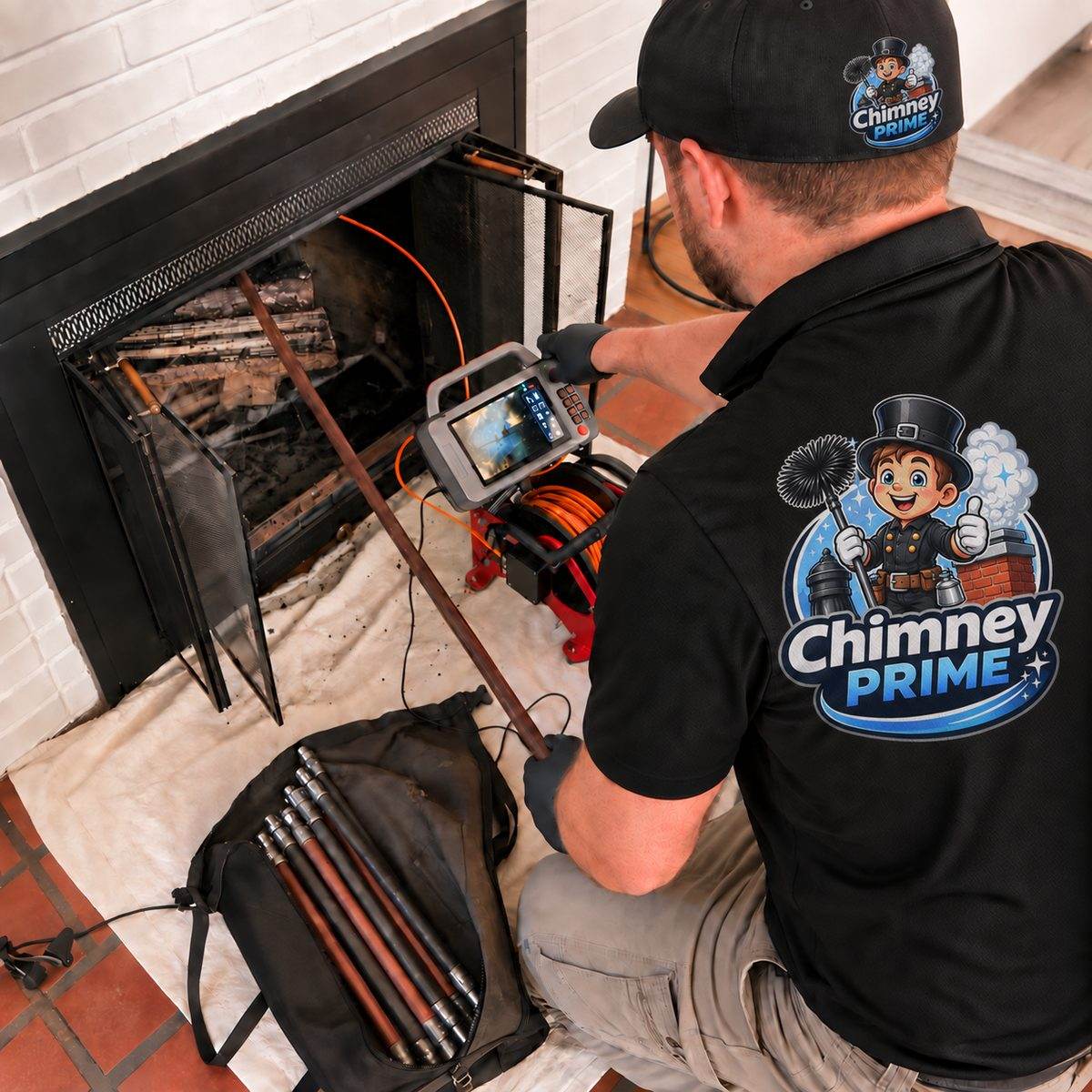
An inspection level describes scope and access, not a ranking from “bad” to “good.” A Level 1 chimney inspection generally applies to continued use under unchanged conditions. A Level 2 camera chimney inspection adds examination appropriate to changes, property transfers, or events likely to have caused damage, including internal flue evaluation. More invasive investigation may be necessary when a serious concern cannot be resolved through accessible areas. The reason for that additional access should be explained before it happens. CSIA inspection-level guidance.
The practical lesson is to describe the situation before choosing a service by its name. Buying a home, changing fuel, installing a different appliance, or investigating a suspected chimney fire is not the same assignment as checking a familiar, unchanged fireplace. Ask the provider to explain which level fits and which portions of the system will remain inaccessible.
Warning signs should change the schedule
Do not wait until next autumn if a new problem appears. Smoke entering the room, persistent exhaust odor, falling tile fragments, visible displacement, or water reaching the fireplace deserves a prompt conversation with a qualified professional. A photograph helps document a change, but it cannot establish the condition of the entire flue.
Distinguish an appointment issue from an emergency. If a carbon-monoxide alarm sounds, you suspect a chimney fire, or combustion fumes make someone feel unwell, leave the building and contact emergency services from a safe location. If you smell gas, leave without operating switches or attempting ignition, and call emergency services and the gas utility outside. Do not wait for a routine inspection booking. After an emergency, do not resume operation until the relevant system has been evaluated and necessary corrective work completed.
Missouri weather creates reasons to look beyond soot
An exterior chimney is exposed throughout the year, including months when nobody uses the fireplace. In the St. Louis region, a spring leak may first become visible after a long rain. Around Kansas City, material damage may become noticeable after winter weather. These are useful times for homeowners to compare ground-level photographs and note changes; they are not substitutes for professional access.
The property matters more than a citywide assumption. One chimney may be sheltered by roof geometry, while another sits exposed above a large roof slope. A framed chase and a masonry stack also manage water differently. Report whether stains follow rainfall, snowmelt, or appliance operation. That timeline helps distinguish a maintenance appointment from a separate moisture investigation. Do not assume every stain requires the same repair simply because nearby houses have similar chimneys.
A clean flue and an inspected system are different outcomes
Chimney sweeping and cleaning removes suitable deposits and debris. Inspection evaluates conditions within its stated scope. Cleaning may be needed before obscured surfaces can be viewed, but removing soot does not reconstruct a damaged liner or correct an unsuitable appliance connection.
For that reason, ask what will be documented at the end of the visit. “We cleaned it” and “We inspected these components and found these conditions” communicate different results. If a report contains photographs, each important image should identify the component and location. When a surface cannot be seen, the report should say so. An inaccessible area is not automatically defective, but neither is it a confirmed sound area.
Buying a home or changing an appliance needs its own review
For a new property, gather inspection reports, invoices, manuals, and any available information about past fuel changes. An attractive surround or freshly painted room says little about the flue behind it. A seller's statement that the fireplace was never used also leaves unanswered questions about condition and compatibility.
A dedicated real estate chimney inspection should be coordinated while the buyer can still evaluate findings and obtain repair proposals. Do not treat it as an automatic demand for replacement. Its value is information: what exists, what was accessible, what was observed, and what further evaluation is justified. Similarly, discuss an appliance change before ordering equipment. The old vent should not be assumed suitable merely because another appliance used it previously.
Prepare information that makes the visit more useful
Write down the date of the last professional visit and roughly how the system has been used since. Mention unusual noises, odors, water, startup smoke, changed controls, recent roofing, and renovations that affected ventilation. If a concern occurs only under certain conditions, describe those conditions without trying to recreate an unsafe event.
Arrange access to the fireplace and relevant records. Ask how long the appliance needs to be unused before the appointment and follow the provider's instructions. Keep pets away from the work area and leave technical disassembly to the service professional. For a rental or managed property, coordinate access with the occupant and identify who can approve additional work. These details reduce avoidable delays and help prevent assumptions about authorization.
What if one chimney serves more than one appliance?
Do not assume a single appointment description automatically includes every fireplace, stove, or heating appliance in the building. A chimney structure can contain multiple flues, and different appliances may have different service histories. Tell the provider how many openings and connected appliances you know about, including equipment on another floor. Ask the written scope to identify which systems are included. This is especially useful in a house with a basement stove and a separate living-room fireplace. The condition of one flue does not establish the condition of its neighbor, even when both emerge through the same exterior stack.
Use the report to plan, not just to file paperwork
At the end, ask which findings affect current operation, which concern water exposure or durability, and which require another form of investigation. If repair is recommended, request an explanation connecting the proposed work to the observed condition. Separate immediate use restrictions from planned maintenance so neither is lost in a long estimate.
Save the report with the appliance manual and subsequent invoices. Before the next appointment, review what was completed and what remained unresolved. A useful maintenance history is not simply a row of annual receipts; it is a record of system identity, observations, changes, and actions. That record becomes particularly valuable if ownership changes or a future technician needs to understand why an earlier repair was performed.