Fireplace Inspection
The fireplace is where fuel, heat, and your living room all meet, so it's worth a careful look.
The fireplace is where fuel, heat, and your living room all meet, so it's worth a careful look. Whether it's masonry, prefab, or gas, we check the firebox, the connections, and how it vents, and we tell you whether it's ready to use.
Signs you may need fireplace inspection
- The fireplace hasn't been lit in a season or more
- You see cracks in the firebox, rust, or a gap around a gas unit
- There's soot staining above the opening or a lingering smell
- You've moved into a home and don't know the fireplace's history
- A gas fireplace is slow to light or the flame looks wrong
What we check first
Good work starts with looking. Before we recommend anything, here is what we examine:
- Firebox panels or firebrick for cracks and deterioration
- Damper operation and seal
- Smoke chamber and the transition into the flue
- For gas units: the connection, glass, and venting components (visual)
- Clearances to combustibles where visible
How the work goes
Step
We ask how the fireplace is used and what you've noticed
Step
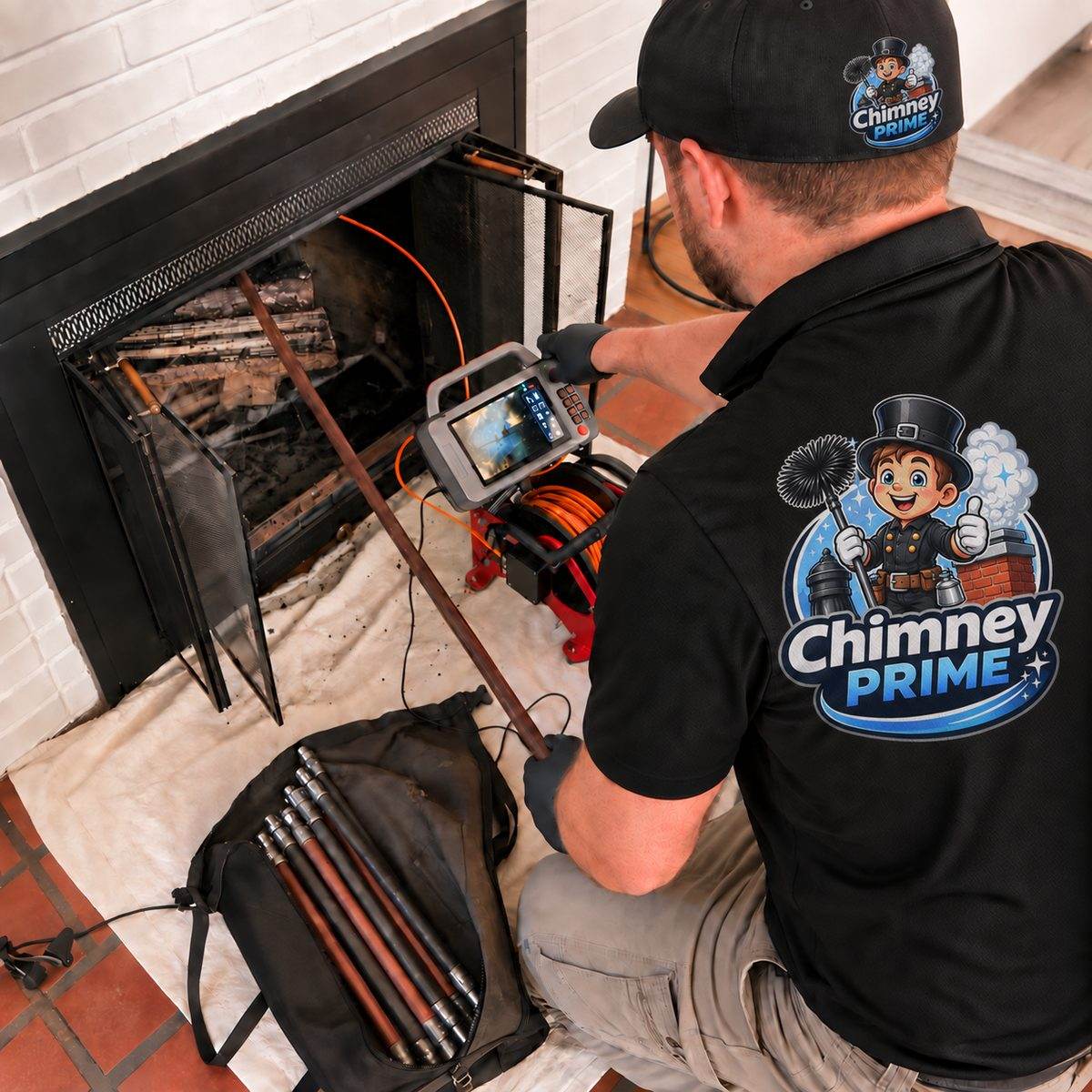
We inspect the firebox and its components up close
Step
We check the damper, smoke chamber, and venting path
Step
We add a camera pass when the flue condition is in question
Step
We give you a straight answer on whether it's ready to burn
What can change the scope
What changes a fireplace inspection is the system type. A masonry firebox, a factory-built prefab, and a gas insert each have different failure points. Gas work in particular may need a qualified gas trade for anything beyond visual evaluation, and we'll say so.
Missouri considerations
Missouri homes swing from humid summers to hard winters, and an idle fireplace collects moisture and rust in between. A pre-season inspection catches a cracked panel or a corroded damper before the first cold snap, not during it.
Keeping it in good shape
Have the fireplace looked at each year before you start burning. For gas units, keep the glass and logs positioned as designed, and don't ignore a flame that looks lazy or yellow.
What a thorough inspection actually tells you
It helps to know the difference between cleaning and inspection before you book. Cleaning removes creosote, soot, and debris; an inspection evaluates the condition of the components — crown, cap, flue lining, flashing, firebox, damper, and smoke chamber — within a defined scope. You can have a spotless flue that still has a cracked tile or a failing crown, which is why a clean chimney is not the same thing as an inspected, sound one.
Inspection levels describe scope and access, not a grade. A Level 1 fits a familiar system in continued use; a Level 2 adds a camera pass through the flue and is the right call after a home purchase, a fuel or appliance change, a chimney fire, or when a hidden condition is suspected. A good visit ends with more than "we cleaned it" — you should get a plain-language read on what's fine, what to watch, and what genuinely needs work, with photos of anything that matters and an honest note about any surface that couldn't be seen.
Frequently Asked Questions
Related reading from our blog
- Buying a St. Louis Home With a Fireplace
Use this St. Louis buyer guide to request records, identify fireplace construction, obtain the right inspection scope, understand findings, and prioritize repairs. - How Often Should a Chimney Be Inspected in Missouri?
Learn when St. Louis and Kansas City homeowners need chimney inspections, what different inspection levels cover, and which warning signs should not wait. - Chimney Cleaning vs. Inspection: What You Are Booking
Compare chimney cleaning and inspection, understand camera work and service limits, and learn what documentation to request for your Missouri home.
Request fireplace inspection
Tell us what's going on and we'll follow up to confirm details and set a time.
Ready to get on the schedule?
Tell us what's going on and we'll help you sort it out. Two Missouri hubs, 24/7 phone availability.