
Clay Flue Tile Repair
Many older Missouri chimneys are lined with clay flue tiles, and over decades those tiles crack, spall, or lose the mortar between them.
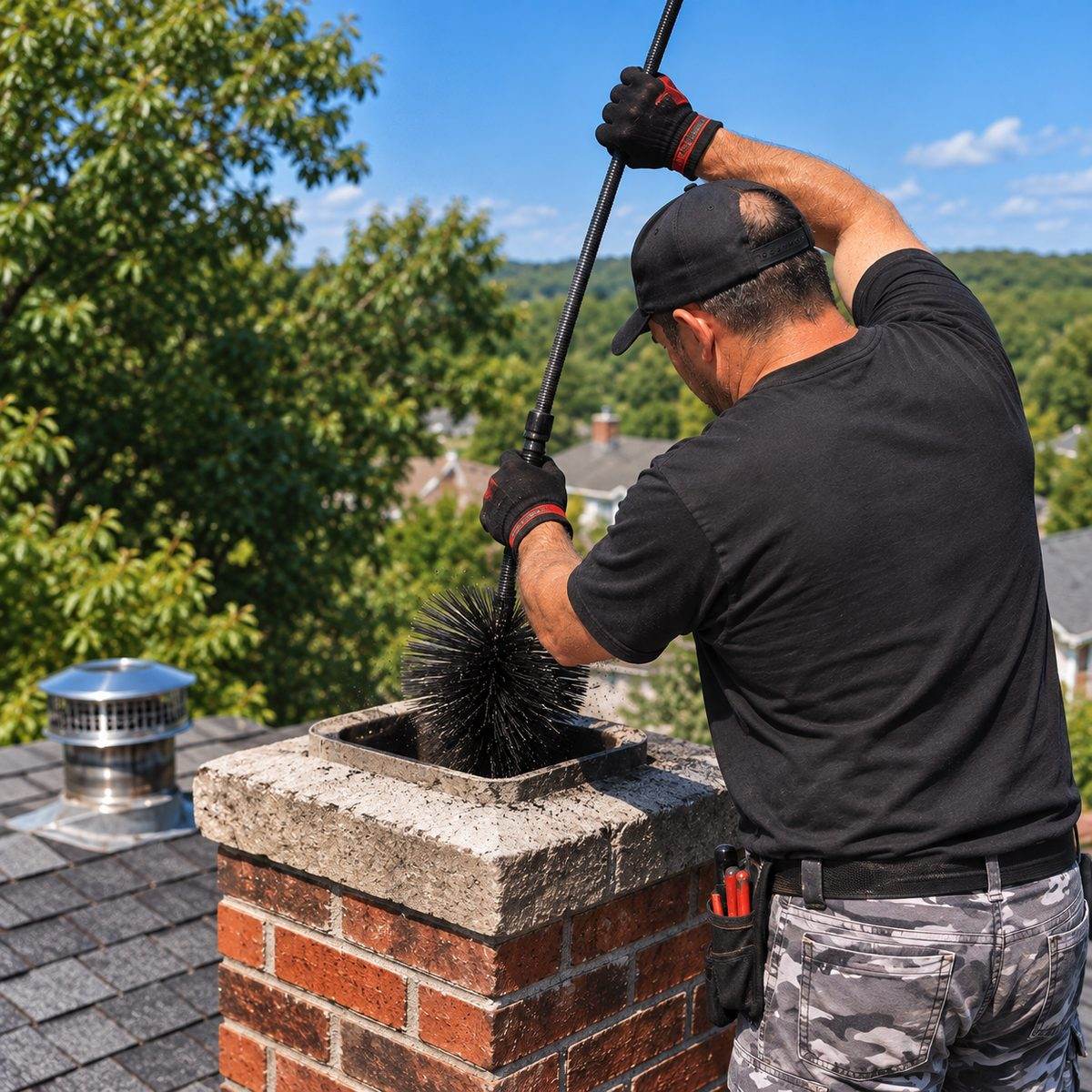
Many older Missouri chimneys are lined with clay flue tiles, and over decades those tiles crack, spall, or lose the mortar between them. A camera inspection shows how bad it is, and from there the fix is either targeted tile repair or relining. We base the choice on what the flue actually needs.
Signs you may need clay flue tile repair
- A camera inspection found cracked or spalled clay tiles
- There are gaps in the mortar joints between tiles
- Pieces of tile have fallen into the firebox or smoke shelf
- You've had a chimney fire that may have cracked the tiles
- The chimney is old and has never had its liner evaluated
What we check first
Good work starts with looking. Before we recommend anything, here is what we examine:
- Full flue interior on camera, tile by tile
- Which tiles are cracked, spalled, or shifted
- The condition of the joints between tiles
- Whether damage is localized or throughout the run
- Whether repair or relining is the sounder path
How the work goes
Step
We run a camera inspection to map the tile condition
Step
We determine whether tiles can be repaired or need relining
Step
For localized damage, we use tile-specific repair methods
Step
For widespread damage, we recommend relining the flue
Step
We verify the flue is sound before returning it to service
What can change the scope
The deciding factor is how much of the tile liner is compromised. A cracked joint or a single damaged area may be repairable in place; cracking throughout usually means relining is the more durable answer. The camera footage tells the story.
Missouri considerations
Clay tile is vulnerable to Missouri's freeze-thaw and to the thermal shock of a chimney fire. Water in a hairline crack freezes and spreads it, and a hot fire can crack tiles outright. Regular inspection catches it early.
Repair or replace?
Localized clay tile damage can often be repaired. When cracks run throughout, or after a chimney fire, relining is usually the sounder investment. We'll show you the footage and give a straight recommendation.
Keeping it in good shape
Keep the flue swept and inspected annually. Managing creosote and moisture is what keeps clay tiles from cracking further, and catches new damage while it's still small.
How the flue, liner, and damper work together
The flue is the passage that carries heat and combustion byproducts out of your home, and the liner is its inner shield — it protects the surrounding masonry and framing and helps the appliance vent correctly. When a liner cracks, gaps, or is the wrong size for a new appliance, heat and byproducts can reach places they shouldn't, which is why a camera inspection usually comes before any liner recommendation. Sizing matters as much as material: a liner has to match the appliance and fuel, not just fit the existing opening.
The damper controls that passage from below. A damper that won't seal lets your heated and cooled air escape up the chimney year-round; a rusted one is also a moisture clue, since it usually means water is getting past a failing cap or crown. Whether the answer is repairing a throat damper, adding a top-sealing damper, relining, or parging a rough smoke chamber, the goal is the same — a flue that drafts cleanly when you want it and seals tightly when you don't.
Frequently Asked Questions
Related reading from our blog
- Cracked Clay Flue Tiles: What They Mean
Learn what can crack clay chimney tiles, how camera inspection documents damage, and why repair scope depends on location, extent, and appliance use. - Chimney Crown Repair vs. Rebuild in Missouri
Learn how crown condition, drainage, construction, and surrounding masonry help determine whether a Missouri chimney crown can be repaired or should be rebuilt. - Firebox Cracks: Cosmetic or a Repair Warning?
Learn how crack location, depth, movement, loose firebrick, and fireplace construction affect repair decisions inside a masonry firebox.
Request clay flue tile repair
Tell us what's going on and we'll follow up to confirm details and set a time.
Ready to get on the schedule?
Tell us what's going on and we'll help you sort it out. Two Missouri hubs, 24/7 phone availability.