
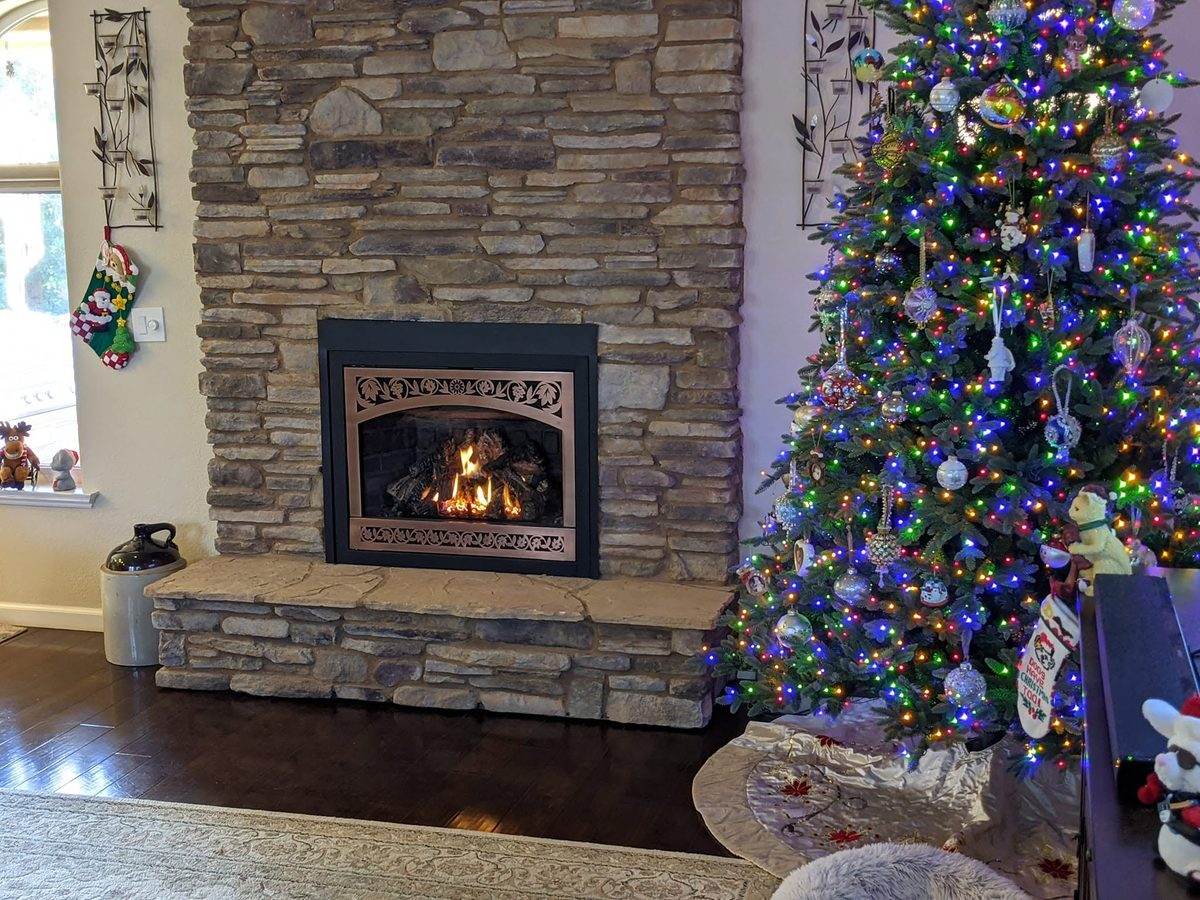
Fireplace Insert Installation
An open masonry fireplace loses most of its heat up the chimney.
An open masonry fireplace loses most of its heat up the chimney. An insert — wood or gas — is a sealed, efficient firebox that drops into your existing fireplace and turns it into a real heat source. Done right, it includes a properly sized liner so the insert vents the way it's designed to.
Signs you may need fireplace insert installation
- Your open fireplace looks nice but barely heats the room
- You want more efficient, controllable heat
- You're converting from an inefficient wood fireplace
- You want a cleaner-burning, sealed firebox
- You're weighing wood versus gas inserts
What we check first
Good work starts with looking. Before we recommend anything, here is what we examine:
- Your existing fireplace dimensions for insert sizing
- The flue, to spec the required liner for the insert
- Whether you want a wood or gas insert
- The surround and hearth for a proper fit and clearances
- For gas inserts, the gas supply and connection
How the work goes
Step
We measure your fireplace and discuss wood versus gas
Step
We help you select an appropriately sized insert
Step
We install the correct liner to vent the insert
Step
We set and connect the insert with proper clearances
Step
We coordinate gas-supply work with a qualified trade if needed
Materials & options
Inserts come in wood-burning and gas models. Nearly all require a correctly sized liner — usually stainless steel — to vent properly through the existing chimney. Sizing the insert to the fireplace and the liner to the insert is what makes it perform.
What can change the scope
The job includes both the insert and the liner it needs, so it's more involved than dropping in a box. Fireplace size, insert type, liner sizing, and (for gas) the supply connection all factor in.
Missouri considerations
For Missouri winters, an insert turns a decorative fireplace into a genuine heat source, which can take real load off the furnace on the coldest days. It's one of the higher-impact upgrades for a home that wants to actually heat with the fireplace.
Repair or replace?
A wood insert suits those who like burning wood and want efficiency; a gas insert suits those who want convenience and steady heat. We'll help you compare, and always include the correct liner rather than skipping it.
Keeping it in good shape
Have the insert and its liner swept and inspected annually — a wood insert still produces creosote in its liner. Follow the manufacturer's operating guidance for the best efficiency.
Masonry, prefab, and gas are three different systems
A big part of getting fireplace work right is knowing which system you have. A masonry fireplace is built from firebrick and refractory mortar rated for direct heat. A factory-built (prefab) fireplace is a metal unit with model-specific refractory panels and parts — improvised substitutes can make it unsafe. A gas system adds ignition, a burner, and venting that behave differently again. The correct repair, and the correct parts, depend entirely on which of these is in your home.
That's also why we're upfront about scope. Cracked firebrick, worn refractory panels, a smoking firebox, and a gas unit that won't light are four different jobs. Work involving the gas supply itself may require a licensed gas professional, and we'll coordinate or refer that rather than working outside safe scope. Whatever the system, an annual look before the burning season keeps a small, repairable issue from becoming a mid-winter failure — and keeps the fireplace safe to enjoy.
Frequently Asked Questions
Related reading from our blog
- Fireplace Insert Installation Planning Guide
Plan a gas or wood insert around host-fireplace approval, full measurements, output, clearances, hearth, venting, liners, power, finish, and service access. - Fireplace Door Installation: Fit and Airflow
Learn how fireplace type, opening measurements, mounting, airflow, glass material, operating position, hearth shape, and manufacturer approval guide door selection. - Why Fireplace Smoke Comes Into the Room
Learn why fireplace smoke may spill into a St. Louis or Kansas City home, what observations help diagnose draft, and when to stop using the system.
Request fireplace insert installation
Tell us what's going on and we'll follow up to confirm details and set a time.
Ready to get on the schedule?
Tell us what's going on and we'll help you sort it out. Two Missouri hubs, 24/7 phone availability.