
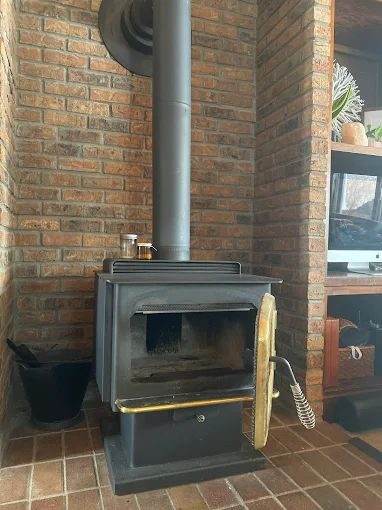
Wood Stove Installation
A wood stove is one of the most effective ways to heat a space, but the install is where safety lives — proper venting, correct clearances to combustibles, and the right connection to the chimney.
A wood stove is one of the most effective ways to heat a space, but the install is where safety lives — proper venting, correct clearances to combustibles, and the right connection to the chimney. We install wood stoves so they heat well and vent safely, whether it's a freestanding stove or a stove into an existing chimney.
Signs you may need wood stove installation
- You want efficient, dependable wood heat
- You're adding a freestanding stove to a room
- You're replacing an old or unsafe stove
- You want to heat with wood during power outages
- You need the venting and clearances done correctly
What we check first
Good work starts with looking. Before we recommend anything, here is what we examine:
- The location, clearances to combustibles, and floor protection
- The chimney or venting path for the stove
- Liner sizing for connecting to an existing chimney
- The stove's requirements and output for the space
- Hearth and wall protection needs
How the work goes
Step
We review the location, clearances, and venting path
Step
We spec the correct chimney or liner for the stove
Step
We set the stove with proper clearances and floor protection
Step
We connect and vent it correctly
Step
We confirm it drafts and operates safely
Materials & options
A wood stove install involves the stove, the connector pipe, and either a new chimney or a correctly sized liner into an existing one, plus floor and wall protection to maintain clearances. Getting the venting and clearances right is the core of a safe install.
What can change the scope
Scope depends on whether you're venting into an existing chimney or running a new one, and on the clearances your location requires. Floor protection, wall shielding, and liner sizing all factor in.
Missouri considerations
A wood stove earns its keep in a Missouri winter and keeps heating during ice-storm power outages. Because it runs hard and hot, the venting and clearances have to be right, which is where a proper install pays off.
Repair or replace?
A freestanding stove suits open rooms and whole-space heating; a stove connected to an existing chimney suits homes with one available. We'll help you plan the safest, most effective setup for your space.
Keeping it in good shape
Burn dry, seasoned wood, don't overfire, and have the stove and its flue swept and inspected annually — stoves build creosote and need regular attention to stay safe.
Masonry, prefab, and gas are three different systems
A big part of getting fireplace work right is knowing which system you have. A masonry fireplace is built from firebrick and refractory mortar rated for direct heat. A factory-built (prefab) fireplace is a metal unit with model-specific refractory panels and parts — improvised substitutes can make it unsafe. A gas system adds ignition, a burner, and venting that behave differently again. The correct repair, and the correct parts, depend entirely on which of these is in your home.
That's also why we're upfront about scope. Cracked firebrick, worn refractory panels, a smoking firebox, and a gas unit that won't light are four different jobs. Work involving the gas supply itself may require a licensed gas professional, and we'll coordinate or refer that rather than working outside safe scope. Whatever the system, an annual look before the burning season keeps a small, repairable issue from becoming a mid-winter failure — and keeps the fireplace safe to enjoy.
Frequently Asked Questions
Related reading from our blog
- Planning a Wood Stove Installation in Missouri
Plan a Missouri wood-stove installation around appliance sizing, clearances, floor protection, chimney route, liner, air, permits, fuel, and maintenance. - Wood-to-Gas Fireplace Conversion in Missouri
Plan a wood-to-gas conversion around fireplace condition, gas logs versus inserts, venting, fuel supply, electrical work, permits, controls, and future maintenance. - Fireplace Insert Installation Planning Guide
Plan a gas or wood insert around host-fireplace approval, full measurements, output, clearances, hearth, venting, liners, power, finish, and service access.
Request wood stove installation
Tell us what's going on and we'll follow up to confirm details and set a time.
Ready to get on the schedule?
Tell us what's going on and we'll help you sort it out. Two Missouri hubs, 24/7 phone availability.