
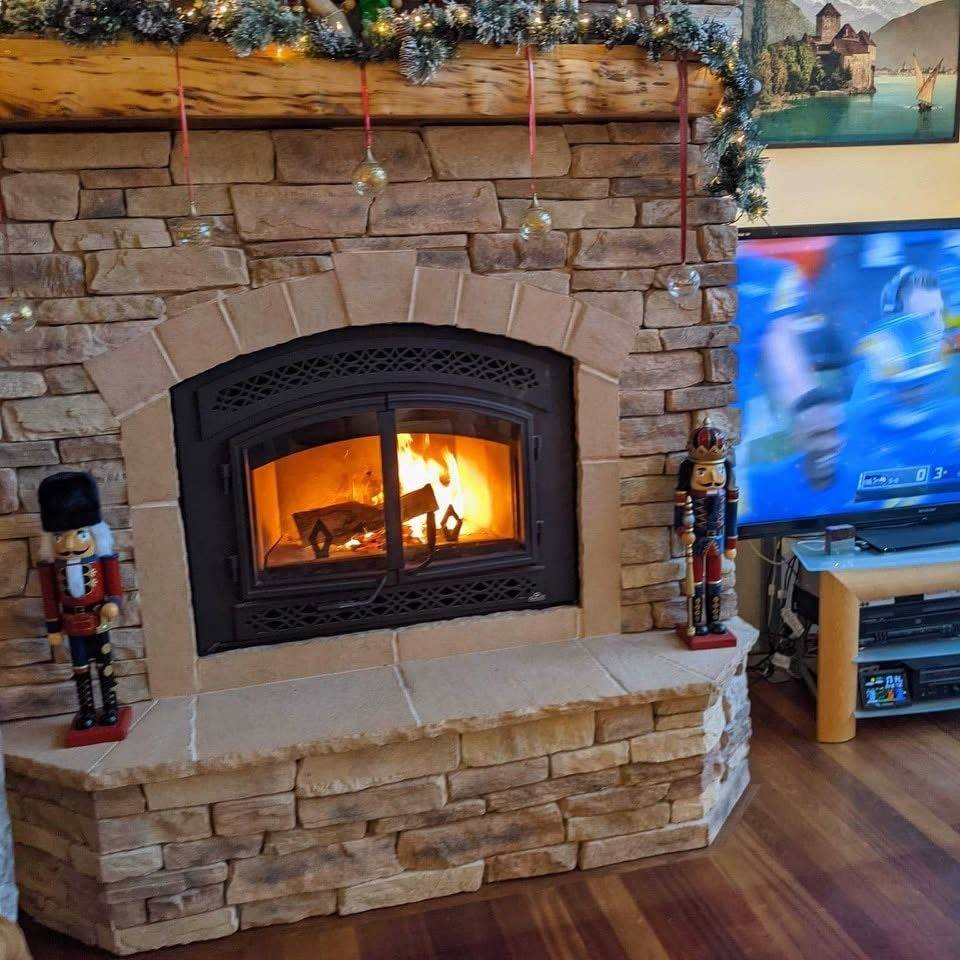
Fireplace & Chimney Installation
Adding a fireplace, or building the chimney system for one, is a project where planning and correct venting matter as much as the finish.
Adding a fireplace, or building the chimney system for one, is a project where planning and correct venting matter as much as the finish. We help you plan a new hearth — wood, gas, or an insert-based system — and install the chimney or venting it needs so the whole thing works safely from the first fire.
Signs you may need fireplace & chimney installation
- You're adding a fireplace to a room or a new build
- You want a wood, gas, or insert-based hearth system
- You need the chimney or venting built for a new unit
- You're replacing a fireplace and its chimney together
- You want the whole system planned as one project
What we check first
Good work starts with looking. Before we recommend anything, here is what we examine:
- The location, layout, and clearances for the new hearth
- The venting path and chimney requirements
- Whether wood, gas, or an insert best fits your goals
- Structural and finish considerations for the install
- How the system ties into the home
How the work goes
Step
We plan the hearth and venting with you
Step
We spec the fireplace or appliance and its chimney system
Step
We install the unit and build the venting correctly
Step
We coordinate other trades (gas, structural, finish) as needed
Step
We confirm the completed system drafts and operates safely
Materials & options
A new hearth can be a masonry fireplace, a factory-built unit, or an insert-based system, each with its own chimney or venting. Choosing the system and building the correct venting for it is the foundation of a safe, well-drafting fireplace.
What can change the scope
This is the most project-like of our services, so scope varies widely with the system, the location, and the finish. It often involves coordination with other trades, which we manage or refer as the work requires.
Missouri considerations
A well-planned hearth built for Missouri weather — proper crown, cap, flashing, and venting from day one — avoids the water and draft problems we spend so much time repairing on older, poorly built chimneys.
Repair or replace?
The right system depends on whether you want the authenticity of wood, the convenience of gas, or the efficiency of an insert-based build. We'll help you plan the whole system rather than just selling a box.
Keeping it in good shape
Have the new system inspected and swept on the normal annual schedule for its fuel type, and keep the crown, cap, and flashing sound to protect the investment.
Masonry, prefab, and gas are three different systems
A big part of getting fireplace work right is knowing which system you have. A masonry fireplace is built from firebrick and refractory mortar rated for direct heat. A factory-built (prefab) fireplace is a metal unit with model-specific refractory panels and parts — improvised substitutes can make it unsafe. A gas system adds ignition, a burner, and venting that behave differently again. The correct repair, and the correct parts, depend entirely on which of these is in your home.
That's also why we're upfront about scope. Cracked firebrick, worn refractory panels, a smoking firebox, and a gas unit that won't light are four different jobs. Work involving the gas supply itself may require a licensed gas professional, and we'll coordinate or refer that rather than working outside safe scope. Whatever the system, an annual look before the burning season keeps a small, repairable issue from becoming a mid-winter failure — and keeps the fireplace safe to enjoy.
Frequently Asked Questions
Related reading from our blog
- Fireplace Insert Installation Planning Guide
Plan a gas or wood insert around host-fireplace approval, full measurements, output, clearances, hearth, venting, liners, power, finish, and service access. - Fireplace Door Installation: Fit and Airflow
Learn how fireplace type, opening measurements, mounting, airflow, glass material, operating position, hearth shape, and manufacturer approval guide door selection. - How Often Should a Chimney Be Inspected in Missouri?
Learn when St. Louis and Kansas City homeowners need chimney inspections, what different inspection levels cover, and which warning signs should not wait.
Request fireplace & chimney installation
Tell us what's going on and we'll follow up to confirm details and set a time.
Ready to get on the schedule?
Tell us what's going on and we'll help you sort it out. Two Missouri hubs, 24/7 phone availability.