Chimney Leak Repair
A leaking chimney is frustrating because the water rarely comes in where the stain shows up.
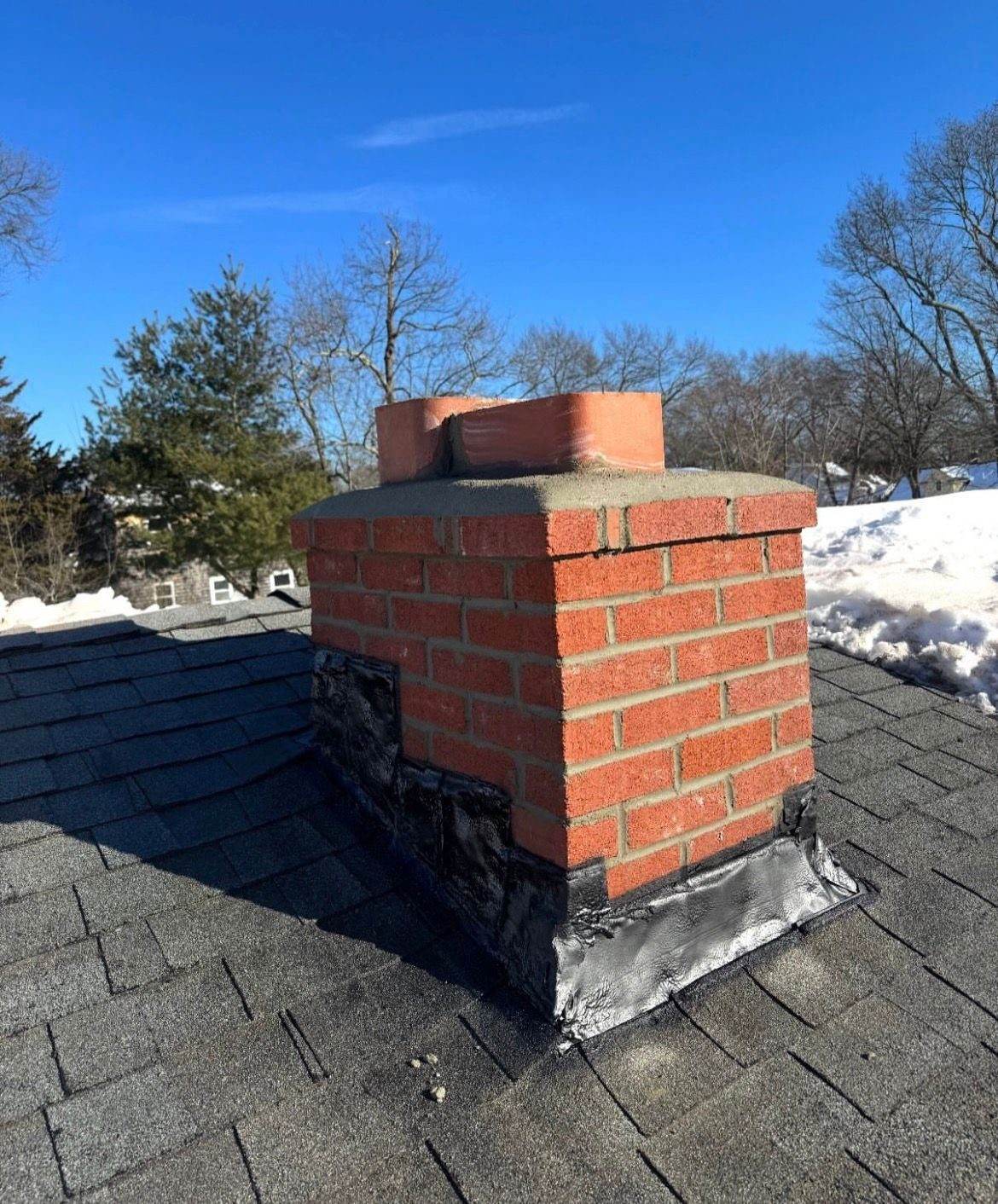
A leaking chimney is frustrating because the water rarely comes in where the stain shows up. It can enter at the crown, the cap, the flashing, the joints, or the brick itself. We find the actual entry point first, because sealing the wrong spot is why so many chimney leaks come back.
Signs you may need chimney leak repair
- Water stains on walls or ceilings near the chimney
- A damp or musty smell from the firebox after rain
- Dripping or moisture inside the fireplace
- White, chalky residue (efflorescence) on the brick
- A leak that returns after a previous 'repair'
What we check first
Good work starts with looking. Before we recommend anything, here is what we examine:
- All the likely entry points — crown, cap, flashing, joints, brick
- Where water tracks once it's inside the system
- Efflorescence and staining that map the water's path
- Whether multiple entry points are involved
- Past repairs that may have missed the real source
How the work goes
Step
We inspect the whole system rather than assuming one cause
Step
We identify the actual entry point, or points
Step
We prioritize the fixes that stop the most water first
Step
We repair the source — crown, flashing, joints, or cap as needed
Step
We verify the path is closed and recommend waterproofing if it helps
What can change the scope
A leak can have one cause or several, and that's what drives the work. Sometimes it's a single cracked crown; sometimes it's flashing plus open joints. We diagnose before we quote, because guessing is how leaks become repeat visits.
Missouri considerations
Missouri's heavy storms and freeze-thaw make chimneys leak in ways that come and go with the weather. A leak that only appears in wind-driven rain points to flashing; one that's constant after any rain often points to the crown or brick.
Repair or replace?
If a single entry point explains the leak, we fix that. When several paths are open, addressing them together is the honest fix — patching one and leaving the others just moves the leak.
Keeping it in good shape
Once the source is sealed, waterproofing sound masonry and keeping the crown, cap, and flashing in good shape is what keeps the chimney dry through the next storm season.
Why water is the problem behind most chimney repairs
Almost every masonry chimney repair traces back to the same culprit: water. A chimney sheds rain through a layered system — the crown throws water off the top, the cap covers the flue opening, the flashing seals the roof joint, and sound mortar joints keep the brick from soaking it up. When any one of those fails, water gets in, and Missouri's freeze-thaw winters do the rest, expanding inside cracks and joints until a hairline gap becomes spalled brick or a leak on your ceiling.
That's why the honest first step is finding where the water actually enters, not sealing the nearest stain. A leak that only shows in wind-driven rain points to flashing; one that appears after any rain often points to the crown or brick. Repairs that last address the entry point and match materials to the existing masonry — mortar matched in strength and color, brick matched in size and profile. Once the water path is closed, breathable waterproofing on sound masonry buys years of protection, but it is never a substitute for a real repair.
Frequently Asked Questions
Related reading from our blog
- Chimney Leaks After Heavy Rain in St. Louis
Trace possible causes of a St. Louis chimney leak, learn what rainfall patterns reveal, and compare cap, crown, flashing, masonry, and chase repairs. - Chimney Crown Repair vs. Rebuild in Missouri
Learn how crown condition, drainage, construction, and surrounding masonry help determine whether a Missouri chimney crown can be repaired or should be rebuilt. - Common Chimney Repair Estimate Questions
Ask better questions about scope, materials, access, hidden conditions, cleanup, and documentation before chimney work.
Request chimney leak repair
Tell us what's going on and we'll follow up to confirm details and set a time.
Ready to get on the schedule?
Tell us what's going on and we'll help you sort it out. Two Missouri hubs, 24/7 phone availability.